Federal Government Approves ?9.99?Billion to Upgrade Cancer Care and Sustain Free HIV Treatment
Category : Tell us your Story | Sub Category : Tell us your Story Posted on 2026-03-12 10:58:45
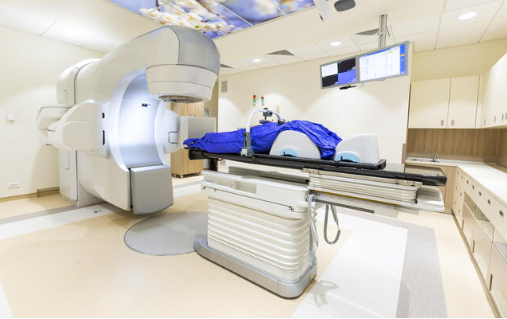
In early March 2026, the Federal Executive Council (FEC) of Nigeria approved ₦9.99 billion (about $7.2 million) in funding to strengthen cancer treatment infrastructure across the country, while also ensuring continued free antiretroviral (ARV) therapy for people living with HIV/AIDS. This move comes as part of broader efforts to boost healthcare delivery and expand access to critical services nationwide.
What Was Approved
At a council meeting presided over by President Bola Ahmed Tinubu, two major health interventions were approved:
1. Continued Free HIV Treatment
Part of the funding was allocated to procure antiretroviral drugs to sustain Nigeria’s long‑standing free HIV treatment programme. The approval addresses earlier concerns that drug stockouts could disrupt treatment for millions of Nigerians living with HIV. The contract was awarded to a Nigerian pharmaceutical company in partnership with an international brand, with the goal of gradually building local production capacity for ARVs.
2. Upgrade of Cancer Treatment Infrastructure
The other portion of the approved funds is dedicated to upgrading cancer treatment facilities in six cancer centres — one in each of Nigeria’s geopolitical zones. These upgrades focus particularly on:
-
Replacing and upgrading radiotherapy equipment, a vital part of cancer treatment
-
Training healthcare personnel in oncology and radiotherapy practices
-
Improving overall treatment capacity so that more patients can receive care without having to travel abroad for advanced therapy
Radiotherapy is a cornerstone of cancer care, especially for cancers like breast, prostate, and cervical cancers. But in Nigeria, outdated equipment and gaps in skilled staffing have historically limited access to high‑quality radiation treatment. The new funding aims to change that by ensuring that each geopolitical zone has at least one centre with improved radiotherapy capacity.
Why This Matters
-
Broader access to cancer care: Nigeria has only a limited number of functional radiotherapy machines, and waiting lists for treatment can be long. Strengthening equipment and training across the country can reduce travel and cost barriers for patients.
-
Equity across regions: By targeting one centre per geopolitical zone, the government is addressing regional imbalances in cancer treatment access. Patients no longer have to travel vast distances for essential therapy.
-
Healthcare system strengthening: Investing in both infrastructure and personnel training means building long‑term capacity, not just short‑term fixes. Skilled oncology staff are crucial for quality diagnosis, treatment delivery, and improved outcomes.
Experts have repeatedly pointed out that Nigeria’s limited cancer treatment infrastructure contributes to poorer outcomes compared to high‑income countries. For example, there are only a handful of radiotherapy centres nationally, and many hospitals struggle with outdated machines or lack of trained specialists. Expanding this capacity is widely seen as a key step in strengthening the country’s response to cancer.
Sustaining Other Health Gains
Alongside the investment in cancer infrastructure, the government also emphasized the importance of maintaining free HIV treatment as a public health priority. HIV/AIDS programmes have significantly expanded over the past decade, and sustaining drug availability is critical to preserving lives and preventing new infections.
By combining support for both communicable and non‑communicable diseases, the Federal Government is signalling a more integrated and balanced approach to Nigeria’s health challenges.
Leave a Comment:
SEARCH
Categories
Recent News
- NGO Highlights Stigmatization of Breast Cancer Survivors, Launches Empowerment Program in Nigeria
- HEALTH CRISIS: Chronicles of Cancer Survivors in Nigeria
- A Turning Point in Cancer Care in West Africa: The Promise of SBRT
- Cancer Survivors Share Their Stories as Oncologist Offers Support Through New Book IN Nigeria
- Medical Expert Advocates Early Screening to Combat Rising Prostate Cancer Cases in Nigeria
- Cancer Struggles
- Experts urge Nigerians to embrace early screening, HPV vaccine
- FG Launches Free Cancer Screening for 1,000 Residents in Ebonyi
READ MORE
2 months ago Category : Non-Hodgkin Lymphoma (NHL)
NGO Highlights Stigmatization of Breast Cancer Survivors, Launches Empowerment Program in Nigeria
Read More →2 months ago Category : Colorectal Cancer
HEALTH CRISIS: Chronicles of Cancer Survivors in Nigeria
Read More →2 months ago Category : Colorectal Cancer
A Turning Point in Cancer Care in West Africa: The Promise of SBRT
Read More →2 months ago Category : Tell us your Story