Insurance Expansion for Breast Cancer Care in Nigeria
Category : Breast | Sub Category : Breast Cancer Posted on 2026-03-12 10:50:07
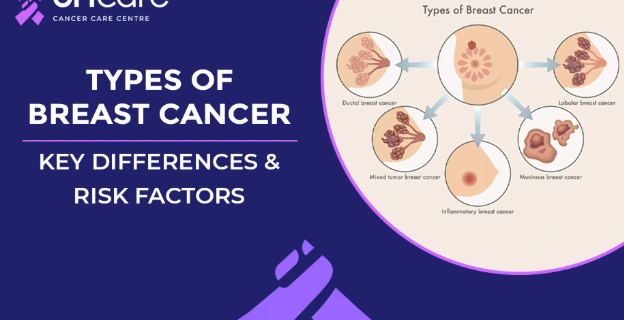
Nigeria Moves to Expand Health Insurance Coverage for Breast Cancer Treatment
On March 10, 2026, health experts and stakeholders highlighted Nigeria’s growing efforts to improve access to breast cancer care through the expansion of national health insurance coverage. The initiative, supported by the global healthcare company, aims to reduce the financial burden of cancer treatment and make life-saving care more accessible to women across the country.
Breast cancer remains the most common cancer affecting women in Nigeria, and the number of cases continues to rise each year. Unfortunately, many patients face serious financial challenges when trying to access treatment, which often leads to delayed care or incomplete therapy.
Why Breast Cancer Care Needs Better Insurance Coverage
One of the biggest challenges facing cancer patients in Nigeria is the high cost of treatment. Many families must pay for diagnosis, surgery, chemotherapy, and medication directly from their own pockets.
Without adequate health insurance coverage, the cost of treatment can be overwhelming. As a result, some patients delay seeking medical help, while others are unable to complete the full course of treatment recommended by doctors.
Health experts believe that expanding insurance coverage for breast cancer will help solve this problem by making treatment more affordable and accessible.
Role of the National Health Insurance Authority
The expansion effort involves collaboration with the National Health Insurance Authority (NHIA), which is responsible for managing Nigeria’s national health insurance system.
The goal is to include more comprehensive breast cancer services within the insurance package. This may cover important aspects of care such as:
Diagnostic tests and screening
Specialist consultations
Surgery
Chemotherapy treatment
Cancer medications
By integrating these services into the insurance scheme, patients will pay significantly less out of pocket.
Partnership With Roche to Improve Cancer Care
Healthcare company Roche has been working with Nigerian health authorities and medical institutions to improve cancer care across the country.
Through its Africa initiatives, Roche supports programs aimed at strengthening cancer treatment systems, improving early diagnosis, and making innovative cancer medicines more accessible.
The collaboration between Roche and the NHIA also focuses on subsidized treatment programs, where treatment costs may be shared between the insurance system, healthcare partners, and patients.
This approach is expected to make advanced cancer therapies available to more people who previously could not afford them.
Late Diagnosis Remains a Major Challenge
Another serious issue affecting breast cancer outcomes in Nigeria is late diagnosis. Many women are diagnosed when the disease has already reached an advanced stage.
This often happens because of limited access to screening services, lack of awareness about early symptoms, and financial barriers to medical care.
Experts say that improving health insurance coverage can encourage more women to seek early screening and medical evaluation, which significantly increases survival rates.
Economic Impact of Breast Cancer
Breast cancer does not only affect individuals and families; it also has a significant impact on national economies.
Research has shown that cancer-related deaths and long-term illness can lead to major productivity losses. Many women diagnosed with breast cancer are in their most productive working years, and when they are unable to work due to illness, it affects both household income and economic growth.
Investing in cancer treatment and early detection programs can therefore help improve both public health and economic stability.
A Step Toward Better Cancer Care in Nigeria
The push to expand health insurance coverage for breast cancer treatment represents an important step toward improving cancer care in Nigeria.
By reducing treatment costs, improving access to medical services, and encouraging early detection, the initiative has the potential to save thousands of lives.
Health experts believe that continued collaboration between government agencies, healthcare organizations, and global partners will be essential in strengthening Nigeria’s cancer care system and improving outcomes for patients across the country.
Leave a Comment:
SEARCH
Categories
Recent News
- NGO Highlights Stigmatization of Breast Cancer Survivors, Launches Empowerment Program in Nigeria
- HEALTH CRISIS: Chronicles of Cancer Survivors in Nigeria
- A Turning Point in Cancer Care in West Africa: The Promise of SBRT
- Cancer Survivors Share Their Stories as Oncologist Offers Support Through New Book IN Nigeria
- Medical Expert Advocates Early Screening to Combat Rising Prostate Cancer Cases in Nigeria
- Cancer Struggles
- Experts urge Nigerians to embrace early screening, HPV vaccine
- FG Launches Free Cancer Screening for 1,000 Residents in Ebonyi
READ MORE
2 months ago Category : Non-Hodgkin Lymphoma (NHL)
NGO Highlights Stigmatization of Breast Cancer Survivors, Launches Empowerment Program in Nigeria
Read More →2 months ago Category : Colorectal Cancer
HEALTH CRISIS: Chronicles of Cancer Survivors in Nigeria
Read More →2 months ago Category : Colorectal Cancer

A Turning Point in Cancer Care in West Africa: The Promise of SBRT
Read More →2 months ago Category : Tell us your Story